



News

What are the different types of steel balls
Steel balls are a widely used component in multiple industrial and daily scenarios, and their presence can be seen in fields ranging from mechanical transmission to precision instrument manufacturing. Over years of material innovation and process iteration, the categories of steel balls have become increasingly rich, and different types of steel balls can show distinct performance advantages when adapting to different working conditions.
2026-09-17

What are aluminum balls used for
You probably know the most common use for aluminum balls: reducing static electricity in the dryer. Static cling frustrates many people. You pull clothes from the dryer only to find them stuck together. You want a simple, reusable solution that avoids chemicals. These small metal conductors contain no fragrances or softeners. They offer a safe, eco-friendly alternative to dryer sheets. Just toss a few into your dryer with each load. The metal helps separate clothes and dissipate static charge. You can reuse them for hundreds of loads.
2026-09-16
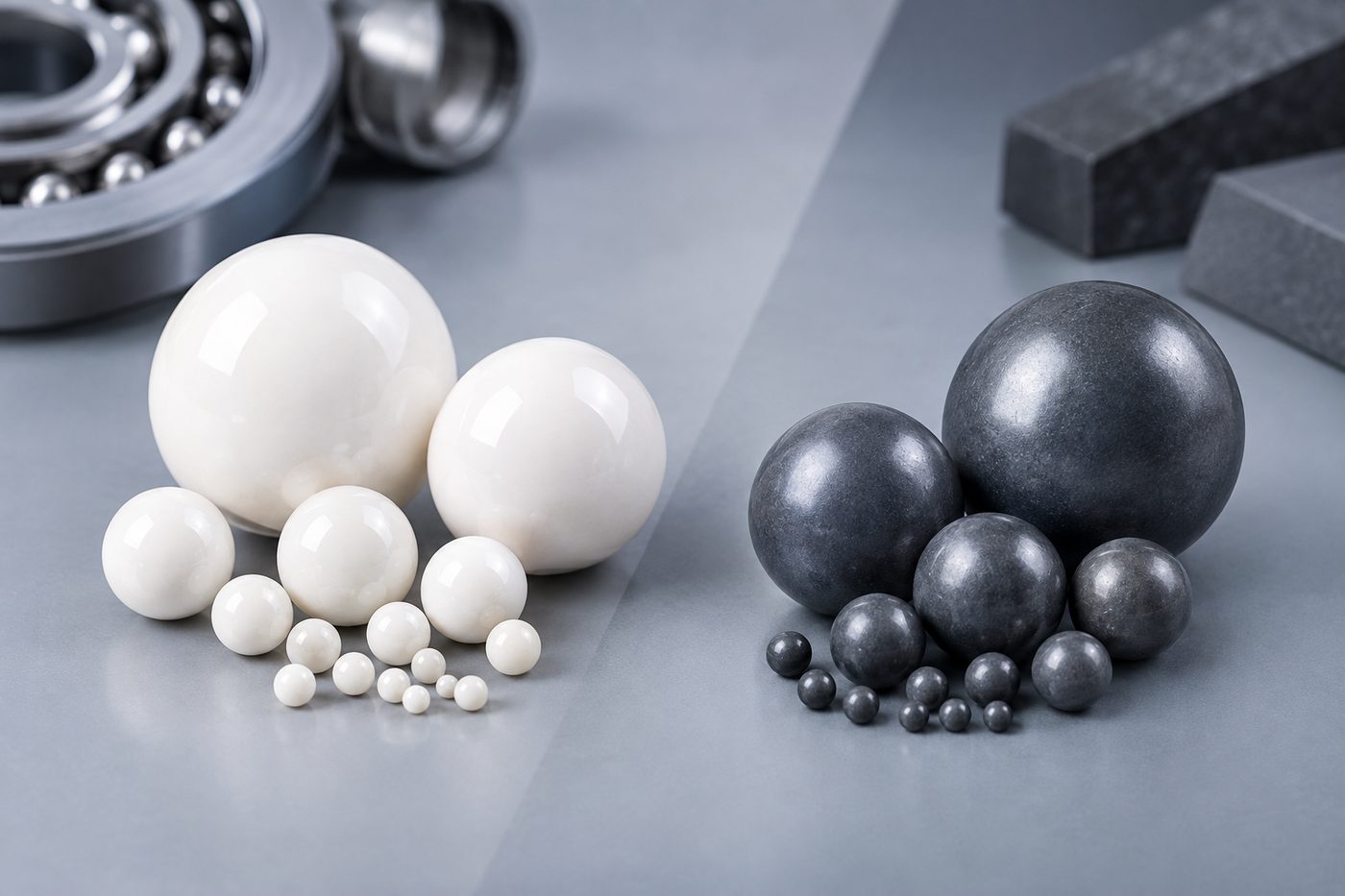
Zirconia Balls vs. Silicon Carbide Balls: A Comprehensive Performance Comparison
Compare zirconia balls and silicon carbide balls by hardness, wear resistance, toughness, thermal performance, corrosion resistance, and industrial applications. Find the right ceramic ball for your application.
2026-09-15

Top 5 stainless steel ball manufacturer in 2026
The top five stainless steel ball manufacturers are SKF Group, Abbott Ball Company, United States Ball Corp, Changzhou Huari Steel Ball Co., Ltd., and RISHENG. This ranking reflects global reputation, industry certifications, product range, and precision capabilities. Each stainless steel ball manufacturer on this list meets strict quality standards. Buyers in automotive, aerospace, medical, and chemical processing industries depend on these rankings. Precision balls affect bearing performance, device safety, and equipment lifespan.
2026-09-11

What Parameters Should Be Confirmed Before Customizing Precision Steel Balls?
What parameters should you confirm before ordering custom precision steel balls? Learn about material, diameter, tolerance, hardness, surface finish, application, inspection, and packaging requirements.
2026-09-08

What is the steel ball
What do a skateboard wheel, a spray paint can, and a car engine have in common? You might not guess it at first. Each one relies on a tiny but mighty component: a steel ball. A steel ball is a precision-engineered sphere made from various steel alloys, serving as a critical component in countless mechanical systems.
2026-09-08
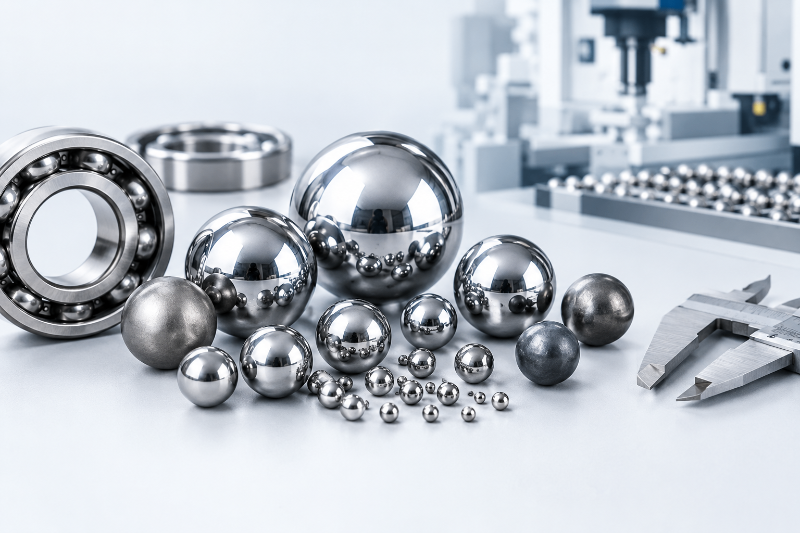
Why Is the Trend Toward Customized Steel Ball Products Becoming More Prominent?
Discover why customized steel balls are becoming increasingly important in industrial manufacturing. Learn about custom sizes, materials, precision, hardness, surface treatment, OEM production, and more.
2026-09-01
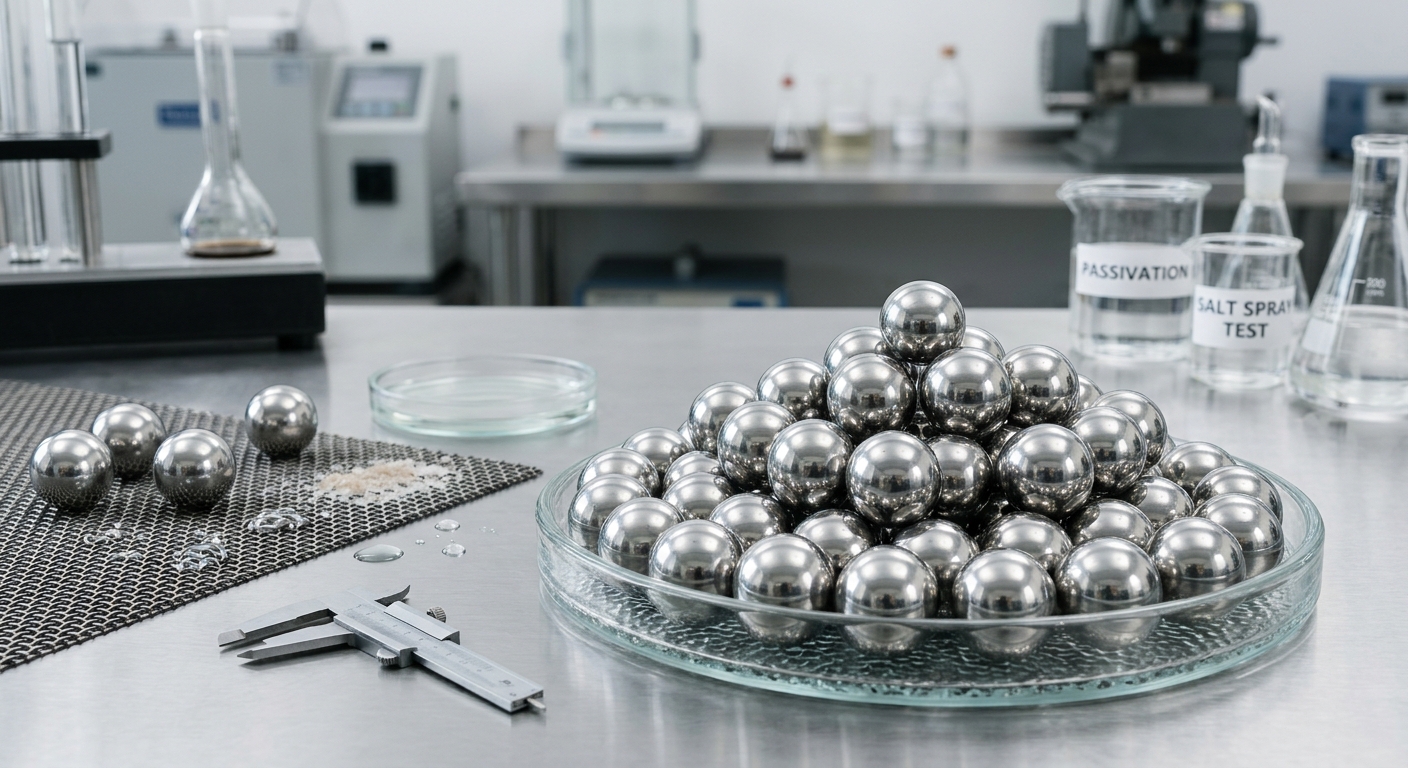
How to Improve the Rust Resistance of Carbon Steel Balls?
Learn how to improve the rust resistance of carbon steel balls through material selection, surface treatment, anti-rust oil, cleaning, packaging, storage, and transportation.
2026-08-25

What Are the Key Factors Affecting Steel Ball Rotational Accuracy?
Discover the key factors affecting steel ball rotational accuracy, including roundness, diameter variation, waviness, surface roughness, material, heat treatment, and grinding processes.
2026-08-11

How Microstructure Analysis Determines Steel Ball Quality
Learn how microstructure analysis impacts steel ball quality. Discover how martensite structure, grain size, and inclusions affect hardness, wear resistance, and fatigue life—helping B2B buyers ensure reliable performance in precision industrial applications.
2026-03-20

High vs Low Carbon Steel Balls: Key Differences
High carbon steel balls provide superior hardness and wear resistance for demanding applications, while low carbon steel balls offer cost-effective and versatile solutions. Discover their key differences, applications, and how to choose the right option for your industrial needs.
2026-03-19

The Importance of Steel Ball Material Purity for Product Quality
Material purity plays a crucial role in determining the performance, durability, and reliability of steel balls. High-purity steel improves fatigue life, wear resistance, and precision, making it essential for bearings, automotive components, and high-precision industrial applications.
2026-03-12

Steel Ball Coating Processes for Enhanced Corrosion Resistance
Steel ball coating processes improve corrosion resistance, wear performance, and service life. Nickel, chrome, zinc, and functional coatings provide reliable protection for valves, bearings, pumps, and precision industrial applications.
2026-01-30

Safety Requirements for Steel Balls in Food Processing Equipment
High-quality food-grade steel balls designed for food processing equipment. Made from stainless steel with smooth surfaces, corrosion resistance, and strict dimensional accuracy, ensuring hygiene, safety, and compliance with international food contact regulations.
2026-01-22

Steel Ball Surface Roughness and Wear Rate
Steel ball surface roughness directly affects friction, lubrication performance, and wear rate. Optimized surface finishing reduces initial wear, improves load distribution, and extends service life in bearings, valves, pumps, and other precision industrial applications.
2026-01-19

Steel Balls in Hydraulic Sealing and Fluid Control
Steel balls play a vital role in hydraulic systems by providing reliable sealing and precise fluid control. High-precision steel balls improve pressure stability, reduce leakage, and enhance valve performance in high-pressure and high-frequency hydraulic applications.
2026-01-16

Micro Steel Balls in Precision Positioning Applications
Micro steel balls play a critical role in precision positioning devices by improving repeatability, reducing friction, and enhancing long-term stability. Widely used in automation, optical systems, and semiconductor equipment, high-precision steel balls enable accurate, reliable, and durable positioning performance.
2026-01-12

Steel Ball Material Selection for High-Temperature Applications
Steel ball material selection for high-temperature applications requires careful evaluation of thermal stability, hardness retention, oxidation resistance, and fatigue performance. This guide explains key selection principles and compares common steel ball materials used in demanding industrial environments.
2026-01-06

Impact of Steel Ball Lubrication Methods on Service Life
Steel ball lubrication methods play a critical role in service life, wear resistance, and equipment reliability. Proper oil, grease, or solid lubrication selection reduces friction, controls temperature, and extends steel ball performance in bearings, pumps, and industrial machinery.
2026-01-05

Humidity and Temperature Standards for Steel Ball Storage
Proper humidity and temperature control in steel ball storage is essential to prevent corrosion, maintain surface quality, and ensure batch consistency. Stable warehouse environments help manufacturers and B2B buyers reduce quality risks, extend product lifespan, and achieve reliable long-term supply performance.
2025-12-29