



What are aluminum balls used for
You probably know the most common use for aluminum balls: reducing static electricity in the dryer. Static cling frustrates many people. You pull clothes from the dryer only to find them stuck together. You want a simple, reusable solution that avoids chemicals. These small metal conductors contain no fragrances or softeners. They offer a safe, eco-friendly alternative to dryer sheets. Just toss a few into your dryer with each load. The metal helps separate clothes and dissipate static charge. You can reuse them for hundreds of loads. They also help you cut down on waste. Aluminum balls have surprising applications beyond laundry, from cleaning to industrial uses. How do they work? How can you use them effectively?
Key Takeaways
Aluminum balls reduce static in dryers by conducting electricity and physically separating clothes.
They are reusable for hundreds of loads, saving money and reducing waste compared to disposable dryer sheets.
Use three to six balls per standard load; avoid overloading and use only with non-delicate fabrics.
Beyond laundry, aluminum balls clean stainless steel, absorb odors, and serve industrial purposes.
Solid aluminum balls last longer and perform better than homemade crumpled foil balls.
Static Electricity In The Dryer
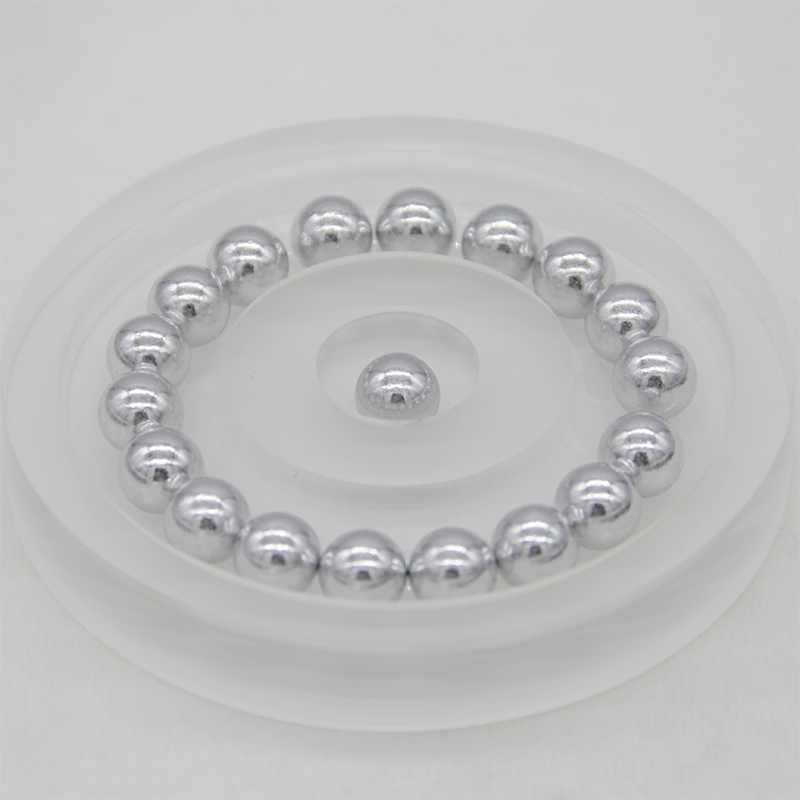
The Science Of Static Cling
When you load your dryer with damp clothes, you witness physics in action. Each tumble creates friction between different fabrics. This friction triggers the triboelectric effect. The word comes from the Greek "tribos," meaning rubbing. Basically, it describes electricity generated through contact and separation. As materials rub together, electrons transfer from one surface to another. The fabric that loses electrons becomes positively charged. The fabric that gains electrons becomes negatively charged. Since opposite charges attract, fabrics with opposite charges cling to each other. This creates the frustrating static cling you experience when folding laundry.
Several factors determine how much static builds up. Your choice of fabric matters a great deal. Natural fibers like cotton and wool contain polar groups that attract moisture. These fibers absorb water and create a conductive surface layer. Charges dissipate quickly through this layer. Synthetic fibers such as polyester and nylon lack this ability. They stay dry and trap electrical charges on their surfaces. Synthetic fibers can generate static charges exceeding 15,000 volts. That voltage causes noticeable cling and even small shocks. Natural fibers have surface resistivity 50 to 100 times lower than synthetics. This difference explains why your polyester shirts cling together while your cotton socks do not. Humidity also plays a key role. Static electricity drops by over 90% when relative humidity rises above 60%. Moisture in the air acts as a natural conductor. It carries stray charges away from your clothes.
How Dryer Sheets Traditionally Help
You have probably used dryer sheets to fight static cling. These sheets contain active chemicals that neutralize electrical charges. The primary ingredients are quaternary ammonium compounds, often called quats. These molecules carry positively charged ions. When static builds up, excess loose electrons give fabric atoms a negative charge. The positive ions from quats balance those loose electrons. This neutralization reduces static cling on your clothes significantly. The process works reliably, but it involves adding chemicals to every load.
However, dryer sheets come with trade-offs. The sheet itself is made of polyester, a plastic material that sheds microplastics into the environment. The chemicals leave a residue on your clothes and inside your dryer. This residue can reduce towel absorbency over time. The fragrance chemicals listed as "parfum" on ingredient labels include many undisclosed compounds. These fragrances do not fight static. They only add scent. You might prefer a solution that avoids these extra chemicals entirely. Reusable alternatives can achieve the same static reduction without waste or residue. Understanding how static forms and how chemicals neutralize it helps you make an informed choice for your laundry routine.
How Aluminum Balls Reduce Static
The Role Of Metal In Dissipating Charge
Aluminum conducts electricity very well. This property makes it useful in your dryer. When you toss aluminum balls into a load of wet clothes, they act as conductors. They attract and absorb static electricity from your garments. The metal gives excess charges a path to travel along. Instead of building up on fabric surfaces, charges move onto the aluminum and disperse. This process balances the electric charges among your clothes.
Those who use this method claim that the aluminum balls help disperse that electric charge, making the clothes come out looser and easier to handle. Aluminum, being a good conductor, would help balance the electric charges generated among the garments.
You can think of each ball as a small grounding point. It collects stray electrons during tumbling. The charge spreads across the metal surface and neutralizes itself. Your clothes then come out with less cling. This approach works without chemicals or fragrances. You simply reuse the same balls load after load.
Separating Clothes For Better Airflow
Static builds up when fabrics rub together in tight spaces. Aluminum balls help here too. They bounce between garments as the dryer turns. This motion physically separates clothes from one another. Better separation means less friction between fabric surfaces. Less friction means fewer electrons transfer. The result is less static charge overall.
Improved airflow also helps. When clothes stay apart, hot air circulates more freely. Moisture escapes faster. Dryer clothes reach a lower humidity level. Remember that static drops sharply when humidity rises above 60%. Faster drying removes moisture quickly, so you might expect more static. However, the mechanical separation from the balls counteracts this effect. The balls keep fabrics moving and apart. This dual action — charge dissipation and physical separation — reduces cling noticeably.
You should note an important distinction. Crumpled aluminum foil balls work differently from solid precision aluminum balls. Foil balls are homemade. They crush down over time and lose their shape. They may break apart and leave small foil pieces on your clothes. Solid aluminum balls from Changzhou Huari Steel Ball Co., Ltd. are durable, non-magnetic, and corrosion-resistant. They hold their round shape through hundreds of cycles. They will not shed fragments into your laundry. For consistent results, solid precision balls outperform crumpled foil every time.
Using Aluminum Balls In Laundry
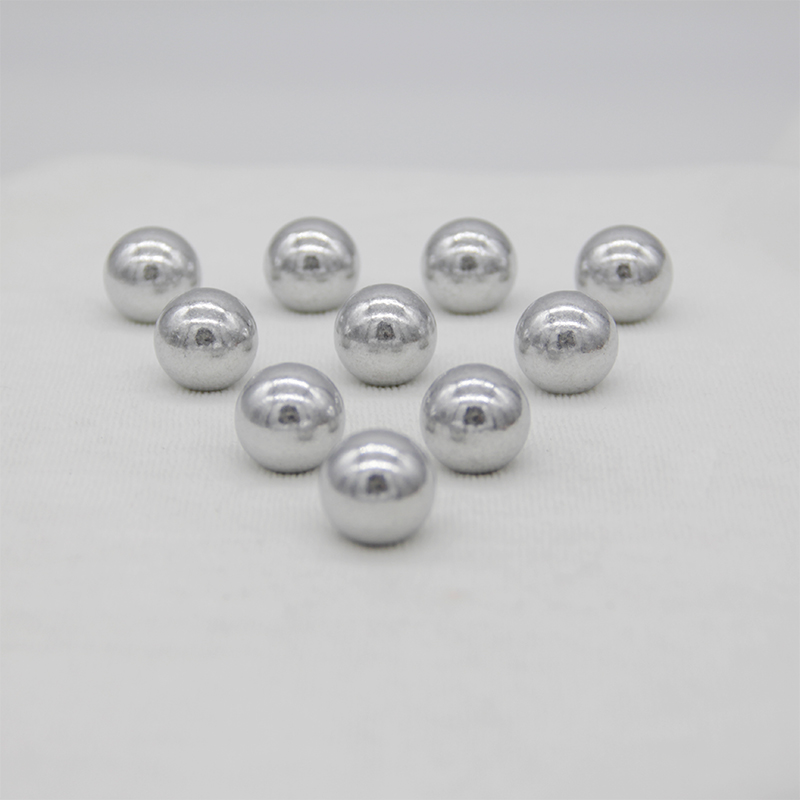
Step-By-Step Guide For The Dryer
You can start using aluminum balls in your laundry routine today. The process is simple and takes only a moment. Follow these steps for the best results.
Gather three to six balls for a standard load. More balls work better for large loads with many synthetic fabrics.
Place the balls loosely among your wet clothes. Do not trap them inside a pillowcase or mesh bag. They need to tumble freely.
Set your dryer to its normal cycle. The balls will bounce between garments as the drum turns.
Remove clothes promptly when the cycle ends. Leaving them sitting can allow static to rebuild.
Store the balls in a dry place between uses. They will be ready for your next load.
You might wonder about homemade options. Many people crumple aluminum foil into balls. One user shared this experience:
Crumpled aluminum foil ball really does work. I crumple to the size of my fist and make a new one after every 3rd load. I use dollar store foil.
— Pamela Jean Nelson (user comment)
Foil balls may break up over time and need periodic replacement. They can also leave small fragments on your clothes. Solid aluminum balls from Changzhou Huari Steel Ball Co., Ltd. are durable, non-magnetic, and corrosion-resistant. They hold their shape through hundreds of cycles without shedding pieces into your laundry.
Tips For Best Results
A few smart habits will improve your results. First, avoid overloading your dryer. Clothes need room to tumble freely with the balls. A crowded drum prevents proper movement and reduces the balls' effectiveness.
Second, separate heavy fabrics from lightweight ones. Towels and jeans take longer to dry than shirts and delicates. Mixing them means some items overdry while others stay damp. Overdrying increases static buildup significantly.
Third, check your lint filter before each load. A clean filter improves airflow and helps clothes dry faster. Better airflow means less time tumbling and less friction between fabrics.
Fourth, consider your fabric types. Synthetic materials like polyester generate more static than natural fibers. You may want to use more balls for loads heavy in synthetics. For cotton-heavy loads, three balls often suffice.
Fifth, experiment with the number of balls. Start with four and adjust based on your results. Some people find six balls work better for large family loads. Others prefer just three for smaller loads.
Finally, inspect your balls periodically. Solid aluminum balls last for years with proper care. Rinse them with water if they collect lint or residue. Dry them completely before the next use. This simple maintenance keeps them working effectively load after load.
Other Uses For Aluminum Balls
Household Hacks And Cleaning
You can use aluminum balls for many tasks around your home. Drop a few into a stained stainless steel sink and scrub away grime. The metal lifts tough residue without scratching the surface. Place them in a kettle or coffee pot to remove lime stains. Their gentle abrasion breaks down mineral deposits over time. Put a ball in the bottom of your oven to catch drips before they bake onto the floor. Line your paint roller pan with them to help distribute paint evenly. Drop one into a cup of solvent to keep paintbrushes from drying out. Toss a few onto your grill grates and scrub to loosen burnt food. Place them inside smelly shoes overnight to absorb odors. Rub them along scissor blades to sharpen the edges. You can even place them under fabric while ironing to press two sides at once.
Industrial And Specialized Applications
Manufacturers rely on aluminum balls in aerospace, automotive, and general industrial settings. The 7075 alloy provides ultra-high strength and excellent machinability for demanding aerospace parts. The 6061 alloy offers balanced strength and corrosion resistance for automotive and structural components. The 5050 alloy suits general industrial tasks with good corrosion resistance. Pure aluminum balls deliver maximum lightweight performance and conductivity for electronics. In specialized defense applications, hard aluminum balls such as 0.50 caliber rounds serve as ammunition in pepper projectile launchers for self-defense. Changzhou Huari Steel Ball Co., Ltd. offers precision-engineered aluminum balls in various sizes. You can customize them to meet your specific application needs.
Benefits And Drawbacks
Eco-Friendly And Cost-Effective
You save money when you switch from dryer sheets to reusable balls. A box of dryer sheets costs money every few weeks. Reusable balls last for hundreds of loads. You buy them once and use them again and again. This simple swap reduces your laundry expenses over time.
The environmental impact matters too. Dryer sheets are disposable. They go into the trash after one use. They also shed microplastics into the environment. Reusable balls produce no waste per load. They contain no chemicals or fragrances. You avoid adding synthetic compounds to your clothes and your home. This choice supports a more sustainable lifestyle.
Potential Limitations To Consider
Reusable balls work well for most loads. However, you should know about a few limitations before you start.
Noise: Keep the sphere size modest to avoid loud banging. If noise bothers you, pause the dryer and remove the ball.
Damage to delicate garments: Avoid using these balls with delicates and garments that have fragile trims. Use a gentler method such as mesh bags instead.
Drum scuffing: Hard balls can scuff enamel tubs in older machines. Use a softer roll if your drum has a coated surface.
These issues are easy to manage. You can sort your laundry and choose the right method for each load. Delicates go into mesh bags. Heavy items tumble freely with the balls. This approach protects your clothes and your machine.
You should also consider your dryer type. Older machines with enamel drums need extra care. Newer stainless steel drums handle hard balls without problems. Check your owner's manual if you are unsure. A little planning keeps your laundry routine running smoothly.
You now know how aluminum balls reduce static electricity in a natural, affordable way. Toss three to six balls into your dryer with each load. Let them tumble freely among your clothes. Remove your laundry promptly when the cycle ends. These same balls also handle household chores and industrial tasks far beyond laundry. Give them a try as a sustainable swap for dryer sheets. You will cut waste and save money with every load. Small changes like this add up. A simple switch in your laundry routine can make a real difference for your home and the planet.
FAQ
How many aluminum balls should you put in the dryer?
Use three to six balls for a standard load. Large loads full of synthetic fabrics benefit from more balls. Start with four and adjust based on your results. Cotton-heavy loads often need only three.
Do aluminum foil balls work as well as solid aluminum balls?
Foil balls reduce static too, but they crush down and break apart over time. They may leave small fragments on your clothes. Solid aluminum balls from Changzhou Huari Steel Ball Co., Ltd. hold their shape and resist corrosion through hundreds of cycles.
Will aluminum balls damage your dryer or clothes?
Solid balls can scuff enamel drums in older machines, so check your drum type first. Avoid using them with delicate garments that have fragile trims. Newer stainless steel drums handle them without problems.
Are aluminum balls safe for people with metal allergies?
Aluminum is non-magnetic and does not contain nickel or cobalt. Most people with metal sensitivities tolerate it well. If you have a known aluminum allergy, consult your doctor before use.
What else can you do with aluminum balls besides laundry?
You can scrub stainless steel, remove lime stains, catch oven drips, absorb shoe odors, and sharpen scissors. Manufacturers also use them in aerospace, automotive, and defense applications. Huari offers custom sizes for specialized needs.