
How to make a aluminum ball
The easiest way to make an aluminum ball is casting. You melt scrap aluminum, pour it into a spherical mold, and grind the sprue smooth. Casting gives you a solid ball fast and cheap. You have other routes, too: forging and grinding (including the foil-ball method), and machining from solid stock. Forging shapes a billet with heat and hammer blows. The foil-ball method builds a ball from crumpled foil. Machining cuts a perfect sphere on a lathe. Each route suits a different shop setup. You'll see the tools, each method step by step, and the safety gear that keeps you out of trouble. Pick the route that fits your shop and budget.
Key Takeaways
Casting is the fastest and cheapest way to make a solid aluminum ball.
Forging and the foil-ball method need only basic tools like a hammer and anvil.
Machining on a lathe gives you the roundest and most precise aluminum ball.
Always wear safety gear like glasses, gloves, and a respirator when working with metal.
Pick your method based on your tools, budget, and how precise you need the ball to be.
Tools and Materials
Basic Tools and Safety Gear
You need a small set of tools for any of the three routes. Hand tools cover hammers, files, and sandpaper. Sandpaper comes in grits, and you work from coarse to fine. Power tools depend on your method. Casting needs a furnace or a torch and a crucible. Forging needs a sturdy hammer and an anvil or a heavy block. Machining needs a lathe and a bench grinder. Measuring tools matter just as much. A pair of calipers lets you check the ball diameter as you work.
Safety gear is not optional here. You handle hot metal, sharp chips, and fine dust. Put on safety glasses before you touch a tool. Add a face shield for pouring and grinding. Leather gloves protect your hands from heat and burrs. A respirator keeps dust and fumes out of your lungs. A leather apron shields your body from sparks and splashes. Check your gear for cracks or wear before each session. Keep all of it within reach before you start.
Aluminum Stock and Consumables
Your stock choice follows your method. Casting starts with aluminum scrap or casting ingots. Scrap is cheap and easy to find. Ingots give you cleaner metal and more predictable results. The foil-ball method needs nothing but a roll of aluminum foil. Forging a billet starts with a chunk of solid aluminum. Machining starts with bar stock.
Alloy matters for machined balls. 6061 is a common machinable choice with good strength and corrosion resistance. 7075 offers higher strength for demanding work. Both cut cleanly on a lathe. You also need consumables: flux for melting, mold release for casting, and polishing compound for the final finish. Buy a little extra stock. You will make mistakes, and spare material saves a second trip to the supplier. Store flux and polishing compound away from moisture.
Method 1: Casting an Aluminum Ball
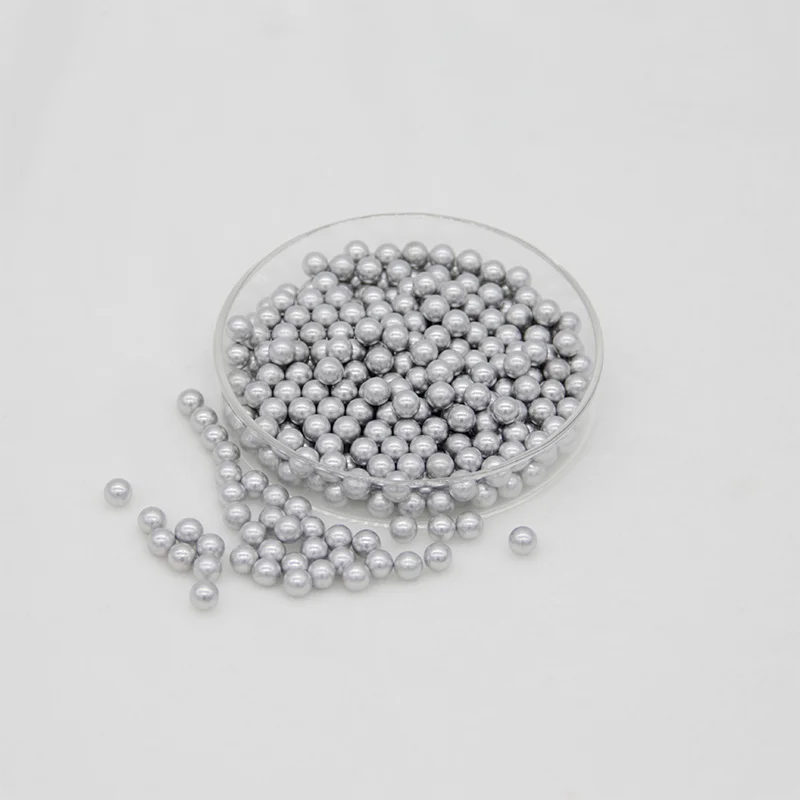
Casting is the fastest route to a solid aluminum ball. You melt scrap in a crucible, pour the liquid metal into a spherical mold, and clean up the result. The whole job fits in an afternoon once your gear is laid out.
Melting and Pouring
Start with clean scrap. Pull out paint, oil, and any steel screws before the metal goes into the crucible. Dirty scrap throws off smoke and leaves slag behind in the pour. Casting ingots give you cleaner metal and fewer surprises than mixed scrap. Load the crucible about two-thirds full. That leaves headroom for the metal to expand as it heats.
Aluminum melts at a far lower temperature than steel. A propane torch or a small furnace reaches that point without special equipment. Preheat the crucible first. A cold crucible steals heat and slows the melt. Add a pinch of flux once the metal starts to slump. Flux binds impurities into a dross you can skim off the top with a steel rod. Stir gently and watch for a bright, liquid pool. That pool tells you the metal is ready.
Pour slowly into the mold. A steady stream beats a fast dump. Fast pours trap air and splash hot metal where you don't want it. Keep the crucible close to the sprue and tilt with control.
Never let water touch molten aluminum. A single drop flashes to steam and throws metal out of the crucible.
Molding and Finishing
A two-part mold gives you a clean sphere. Pack sand or use a split metal mold, then press the two halves together. Coat the cavity with mold release so the ball drops free later. Cut a sprue channel at the top. The sprue is your fill hole, and it also feeds the ball as the metal shrinks during cooling.
Clamp the halves tight and pour through the sprue. Let the mold sit undisturbed. Aluminum shrinks as it solidifies, so rushing the demold cracks the ball or tears its surface. Wait until the mold feels cool to a gloved hand. Open the halves and lift out your rough sphere. Look for flash along the seam and voids near the sprue. Flash sands away. A deep void means a re-melt.
Now you grind. The sprue leaves a stub on top of the ball. Work through these steps:
Cut the stub close with a hacksaw.
File it down with a coarse file.
Sand with rough grit, then step to finer paper.
Rotate the ball as you sand and check the diameter with calipers every few passes.
Keep going until the surface reads round from every angle. Roll the ball across a flat bench and watch for wobble. A cloth wheel and polishing compound finish the job fast.
Method 2: Forging and Grinding
Hammering Foil or Billet
The foil-ball method needs almost nothing but patience. Tear a sheet of aluminum foil about 10 to 12 inches wide. Crumple it tightly in your hands until it packs into a lump the size of a tennis ball. Now grab a large hammer and start pounding. Work the lump from every side and keep the pressure even. The foil compacts with each blow, and the ball slowly hardens. This stage takes hours, so settle in and take breaks.
Switch to a smaller hammer as the ball firms up. Small hammers let you shape the surface and knock down high spots. Add fresh foil layers as the ball compacts and shrinks. Wrap each new layer tight and hammer it into the core. Keep adding until you reach the size and density you want. The result is a solid, hand-built aluminum ball with a slightly textured skin.
The billet method starts with a chunk of solid aluminum. Heat the metal until it softens, then hammer it toward round. Work in short sessions and reheat as the metal stiffens. Rotate the piece between blows so it stays even. This route takes real muscle and a good anvil, but it gives you a dense, solid ball.
Sanding and Polishing
Sanding turns a lumpy shape into a smooth sphere. Start with rough grit and work the whole surface. Step up to finer grits one at a time. Skip a grit and you leave deep scratches behind. Rotate the ball as you sand and check it from every angle. Keep going until the surface feels even under your fingers.
Polishing comes last. Load a cloth wheel with polishing compound and run it over the ball. Work in small sections and keep the wheel moving. The surface will brighten into a mirror finish. Wipe off the compound residue with a clean cloth and inspect the ball in good light.
Method 3: Machining an Aluminum Ball
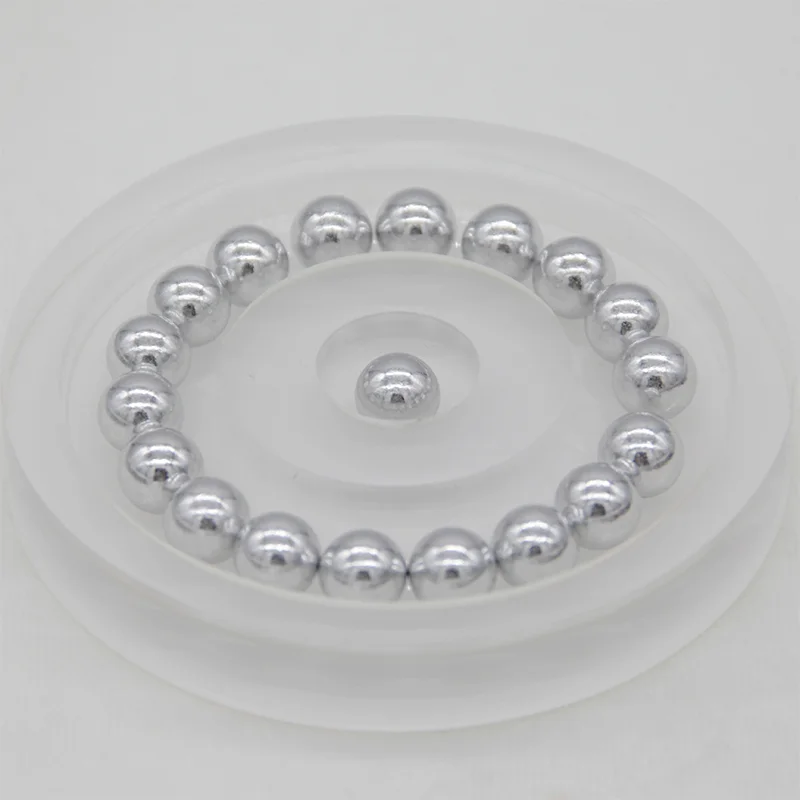
Machining gives you the roundest, most precise result of the three routes. You start with solid bar stock and cut away everything that isn't the sphere. This method needs a lathe, but it rewards you with tight control over the final diameter.
Turning on a Lathe
Chuck your bar stock in the lathe with enough material sticking out to cover the ball plus clearance. A short overhang keeps the work rigid. Long overhangs chatter and leave a rough surface. Face the end first, then turn the outside down to a cylinder. Roughing passes remove most of the excess fast. Leave a little material for your finish cuts.
Now you have two paths to the sphere. A ball-turning attachment mounts on the lathe and swings a tool in an arc. You feed it in steps and the cutter traces the radius. This attachment takes the guesswork out of the shape. Manual radius cuts work too, and they cost nothing extra. Set your compound rest to the right angle and take light cuts. Rotate the workpiece between passes and blend each cut into the last. Check the profile against a template as you go.
Stop cutting while the ball still sits on a small stub. The stub holds the work in the chuck. Part the ball off last, then clean up the remaining nub by hand.
Final Finishing
Measure the diameter with calipers after every few passes. Take readings at several points around the sphere. A ball that reads the same everywhere is truly round. Chase any high spots with light cuts before you leave the lathe.
Deburr the parted face with a file and a strip of emery cloth. Then polish. Spin the ball in the lathe at a moderate speed and work through finer abrasives. A cloth with polishing compound brings up a mirror shine. Wipe off the residue and inspect the surface under good light.
Some jobs call for tighter tolerances or a specific grade than a home lathe can hold. Commercial suppliers such as Changzhou Huari Steel Ball Co., Ltd. produce aluminum balls in pure aluminum and 7075, 6061, and 5050 alloys. Their balls serve aerospace, automotive, bearings, valves, and decorative uses. That range is worth knowing if your project needs a certified alloy or a repeatable grade. A supplier also makes sense when you need volume rather than one piece.
Safety Precautions
Molten Metal and Heat
Molten aluminum demands respect. Set up your work area with good ventilation before you light the furnace. Open a garage door or run a fan that pulls fumes away from you. Work on a dry, clear surface with nothing flammable nearby. Keep a dry fire extinguisher within arm's reach.
Water and molten aluminum do not mix. A single drop of moisture flashes to steam and throws hot metal out of the crucible. Dry every tool before it touches the melt. Never set a wet glove or rag near the furnace.
Dress for the job. A face shield protects you from splashes during the pour. Leather gloves cover your hands and forearms. A leather apron shields your body. Wear these every time, even for a small melt. The metal does not care how experienced you are.
Grinding and Fumes
Grinding throws sparks and fine dust. Put on safety glasses first, then add a face shield for heavy work. A respirator keeps aluminum dust and polishing fumes out of your lungs. Wear it whenever you sand, grind, or polish. Work in a ventilated space and keep your face out of the dust stream.
Lathe work brings its own risks. Secure the workpiece in the chuck before you start the spindle. A loose workpiece can fly out with real force. Keep your hands clear of spinning parts and never reach across the work while it turns. Stop the lathe before you measure or adjust anything.
Check your gear before every session. Look for cracks in your shield, worn straps on your respirator, and holes in your gloves. Replace anything that looks tired. Safety gear only works when it is in good shape.
Pick your method by your goal. Casting gives you a quick, low-cost aluminum ball. Forging and the foil method suit a hands-on approach with basic tools. Machining delivers the roundest, most precise result.
Need a specific alloy, tight tolerances, or volume? Source finished aluminum balls from a supplier like Changzhou Huari Steel Ball Co., Ltd. Hobbyists can start with the method that matches their tools.
Gear up for safety first. Put on your glasses, gloves, and respirator before you touch metal. That habit keeps every project fun and keeps you out of the emergency room. Safety gear is cheap. A trip to the hospital is not.
FAQ
Which method should a beginner try first?
Start with casting if you have a torch or furnace. It gives you a solid ball in one afternoon. No heat source? Try the foil-ball method. It needs only foil and a hammer. Save lathe work for later, once you have some practice.
How long does the foil-ball method take?
Plan on hours of hammering, not minutes. The foil compacts slowly with each blow. Take breaks and work in short sessions. Rushing leaves soft spots in the core. Add fresh foil layers as the ball shrinks and firms up.
Can I make a ball without a furnace or a lathe?
Yes. The foil-ball method covers you. You need aluminum foil, a large hammer, a small hammer, and sandpaper. A heavy block works fine in place of an anvil. The result has a slightly textured skin, and polishing brings up a shine.
Which aluminum alloy works best for machining?
6061 is a solid all-around choice. It cuts cleanly and resists corrosion. Pick 7075 when you need higher strength. Both machine well on a lathe. Match the alloy to your project, not to the price tag.
What if I need a perfectly round ball or a specific grade?
A home lathe gets you close, but tight tolerances take commercial equipment. Suppliers like Changzhou Huari Steel Ball Co., Ltd. make aluminum balls in pure aluminum and 7075, 6061, and 5050 alloys. Order from them when you need certified grades or volume.